
Americans are about to spend a record amount on Halloween, even as many of them say they are watching every dollar. The National Retail Federation (NRF) projects total Halloween spending in the United States will reach $13.5 billion in 2026, up from $13.1 billion in 2025. The average person plans to spend $115.14, only slightly above last year’s $114.45 — a sign that the record is being driven less by splurging and more by more people joining in, and by prices that keep creeping upward.
Halloween has quietly become one of America’s biggest spending holidays, behind only the winter holidays in total retail impact. It is also one of the most democratic: nearly three-quarters of Americans plan to celebrate in some way, from handing out candy to carving pumpkins to dressing up pets. The 2026 numbers tell a story about an economy where consumers are cautious but determined to protect the rituals that matter, especially the ones involving children.
The $13.5 billion breakdown
The NRF’s annual survey, conducted by Prosper Insights & Analytics among 7,889 consumers from September 1 to 9, 2026, splits the total into four main categories. Costumes lead at $4.4 billion, with 71 percent of shoppers planning to buy one. Decorations follow at $4.3 billion, with 78 percent buying. Candy comes in at $4.1 billion, and it remains the most universal purchase of all: 96 percent of shoppers plan to buy sweets. Greeting cards add another $800 million, with 42 percent planning to buy, up from 38 percent in 2025.
Within costumes, the spending divides in a way that says a lot about American households. Adults account for about $2 billion, children for $1.5 billion, and pets for $920 million. Yes, nearly a billion dollars will be spent dressing up dogs, cats and the occasional reluctant rabbit. Pet costumes have grown from a novelty into a genuine retail category, and retailers now devote real shelf space to them.
The most popular Halloween activities, according to the survey, are handing out candy (61 percent), wearing a costume (50 percent), decorating a home or yard (42 percent), carving a pumpkin (42 percent) and watching scary movies (42 percent). Those numbers describe a holiday that is mostly celebrated at home and in the neighborhood — which helps explain why decorations and candy dominate the spending.
Why candy costs more this year
The headline total is a record, but the story underneath is inflation, especially for candy. The U.S. Bureau of Labor Statistics reports that the candy and gum category rose 7.7 percent over the 12 months ending in September 2026, well above the overall consumer price index increase of 3.7 percent over the same period. A retail check by FinanceBuzz found that a full-price, assorted 100-piece bag of Halloween candy averaged $16.96 in 2026, up 3.5 percent from 2025 and 71 percent higher than in 2021.
Much of that pressure traces back to cocoa. The International Cocoa Organization reported a seasonal average indicator price of $6,612 per tonne in 2024/25, 39 percent above the previous season, after weather shocks and weak arrivals squeezed supply. Prices have eased since early 2025 as supply improved, but much of the cocoa in this season’s candy was bought by manufacturers six to 12 months earlier, when prices were near record levels, according to a Wells Fargo Agri-Food Institute sector manager quoted by USA TODAY. In other words, shoppers are paying last year’s cocoa crisis prices for this year’s candy.
Pumpkins tell a similar, gentler story. Finder research puts the average carving pumpkin at $5.35 in 2026, up from $5.26 in 2025 and from $4.06 in 2020 — a climb of about 32 percent in six years. Interestingly, the share of Americans who say they will carve a pumpkin has fallen to 42 percent from 56 percent in 2025, which means total pumpkin spending is projected to fall to about $771 million from $829 million last year, even as the price per pumpkin rises. You can read a fuller breakdown of the forecast here and the NRF’s own summary here.
Cautious shoppers, protected traditions
What makes the 2026 survey interesting is the tension inside it. Consumers are spending more in total, yet they describe themselves as careful, even anxious. The NRF found that 79 percent of shoppers expect tariffs to push prices higher this year. A separate survey of 2,000 U.S. consumers found that 61 percent of celebrators said economic uncertainty would lead them to skip some purchases, and 85 percent said they were taking at least one step to save money. In that survey, 24 percent of celebrators expected to go into debt for the holiday, including 43 percent of Gen Z adults aged 18 to 29 and 40 percent of parents with children under 18.
How do people save? The NRF survey shows shoppers getting strategic: about one-third said they would shop around for the best prices, 26 percent look for coupons or sales, and 34 percent plan to buy items they can reuse or repurpose. Shopping is also starting earlier — 49 percent planned to begin in September or earlier, compared with 34 percent a decade ago. Among early shoppers, 42 percent said they simply look forward to the fall season, while 23 percent shop early to spread out spending and 21 percent to catch promotions.
Where people shop is shifting too. Discount stores are the top destination at 39 percent, followed by specialty Halloween or costume stores at 32 percent and online at 27 percent. Local and small businesses draw 13 percent, up from 7 percent in 2016. And in a sign of the times, 47 percent of shoppers say they use AI tools for Halloween shopping, most often to brainstorm ideas or get product recommendations.
Retail analysts read this pattern as protective spending: households cut back on things nobody will notice so they can preserve the things children will remember. As GlobalData retail analyst Neil Saunders put it, it is really important to parents to make children feel good about the holiday, so that is an area where consumers will often splash out. NRF vice president Allison Zeller summed up the mood more formally: consumers continue to make Halloween a spending priority, but they are approaching the season with affordability in mind.
A holiday that keeps growing
Halloween’s rise from a children’s night of trick-or-treating into a $13.5 billion retail season did not happen overnight. Participation has climbed steadily: 74 percent of consumers plan to celebrate in 2026, up from 73 percent in 2025 and 68 percent in 2019. The holiday has expanded in every direction — adults dress up now, pets dress up, yards become haunted attractions, and the season stretches from September through October 31.
That expansion is partly commercial, driven by retailers who discovered that Halloween shoppers will buy decorations in September if you put them out in September. But it is also cultural. Halloween is one of the few holidays with no religious gatekeeping, no gift obligation and no family travel requirement. It is low-stakes, neighborhood-based and creative, which makes it easy to join and easy to enjoy. In a year when many households feel squeezed, a holiday built around a $5 pumpkin and a bag of candy has obvious appeal.
How to celebrate without the scary bill
If the surveys describe your household — eager to celebrate, wary of the cost — a few strategies go a long way. Buy candy in bulk from discount stores rather than in small bags from convenience shops, and wait for the post-Halloween clearance sales for next year’s decorations, which retailers discount steeply on November 1. Reuse costumes and decorations rather than buying new ones each year; the NRF data shows a third of shoppers already plan to do exactly that. Set a per-person budget before you shop, and let children choose one splurge — the costume or the party — rather than splurging on everything.
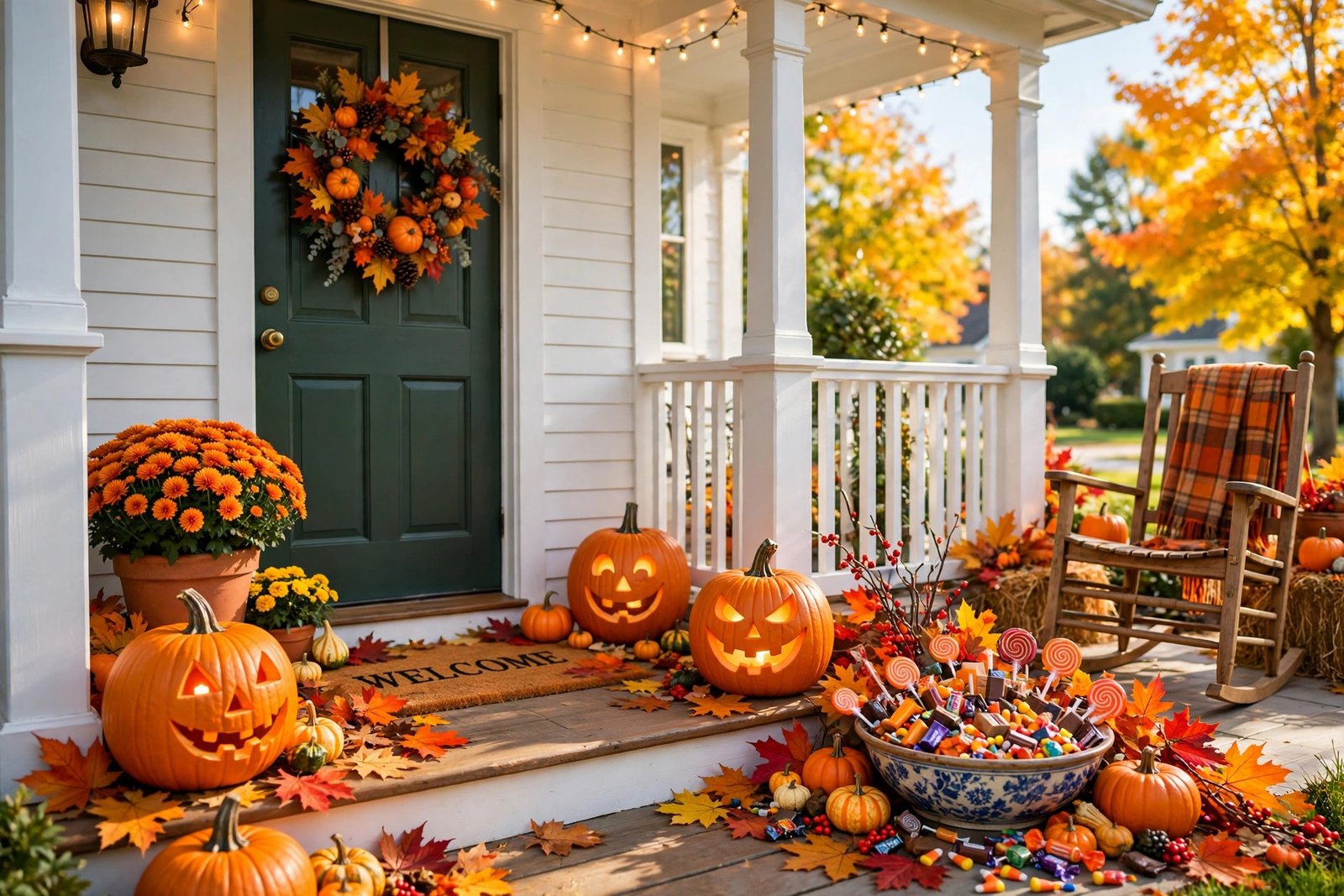
Above all, remember what the spending is actually for. The most popular Halloween activities cost little or nothing: handing out candy, walking the neighborhood, watching a scary movie at home. The $13.5 billion figure is a record, but the holiday itself was never about the total. It was about the porch light, the carved pumpkin and the knock at the door.
Related reading
For more on how Americans spend their weekends and celebrate, read Grandma Hobbies Are Booming: Why Gen Z Picked Up Knitting, Silent Walking: America’s Quietest Viral Trend Explained, and Why Farmers Markets Became America’s Favorite Saturday Ritual.
Frequently asked questions
How much will Americans spend on Halloween in 2026? The National Retail Federation projects $13.5 billion, a record, up from $13.1 billion in 2025.
How much does the average person spend on Halloween? An average of $115.14 per person in 2026, compared with $114.45 in 2025, according to the NRF survey.
Why is Halloween candy more expensive? Candy and gum prices rose 7.7 percent in the year to September 2026, driven in part by high cocoa prices from the 2024/25 season that manufacturers locked in months ago.
What do Americans spend the most on at Halloween? Costumes at $4.4 billion, followed by decorations at $4.3 billion and candy at $4.1 billion.
What percentage of Americans celebrate Halloween? About 74 percent plan to celebrate in 2026, up from 73 percent in 2025 and 68 percent in 2019.