
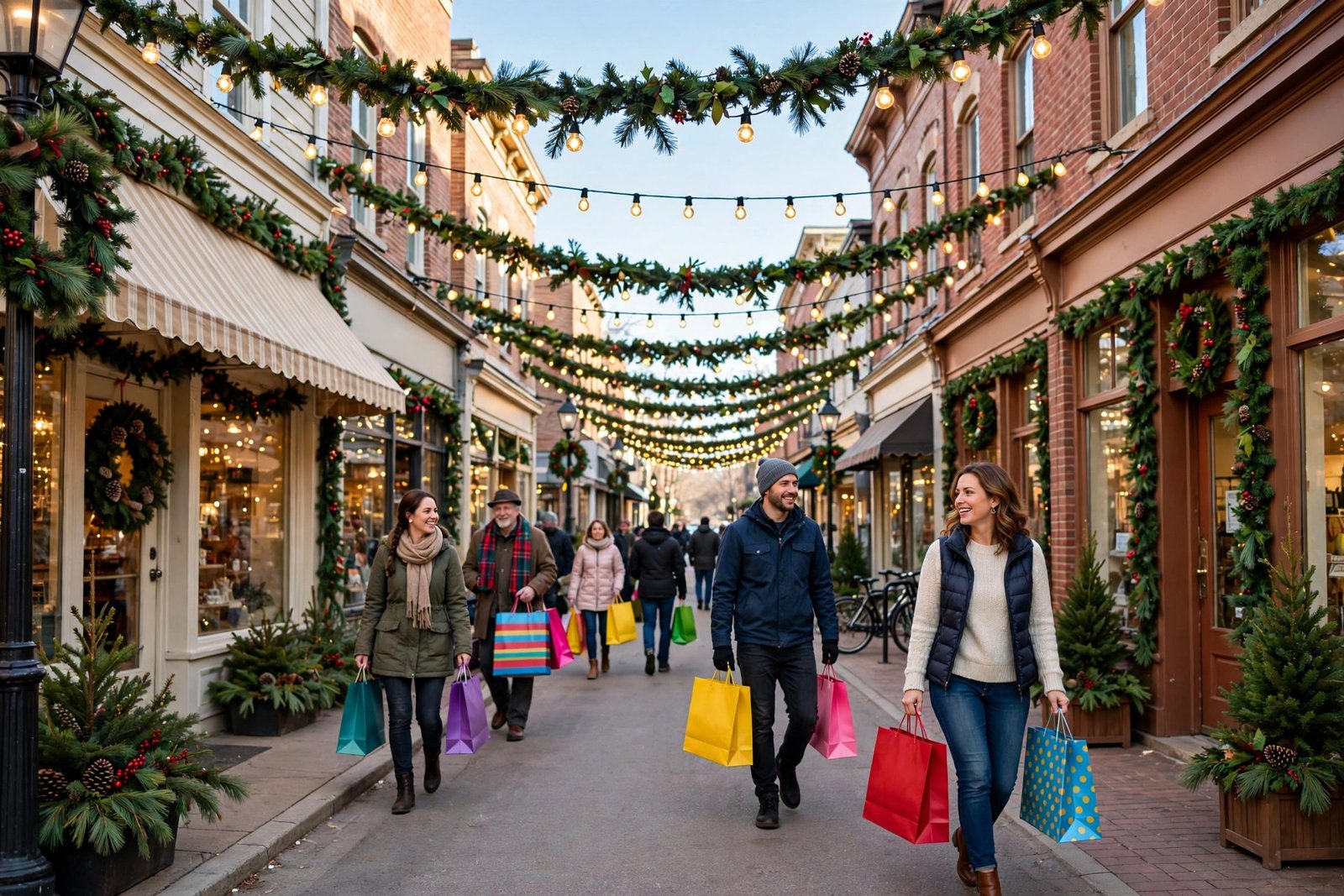
Black Friday 2026 falls on Friday, November 27, the day after Thanksgiving, and Cyber Monday follows on Monday, November 30. If that sounds like a single day of shopping, think again. In 2026, Black Friday is really a season: many retailers start their holiday sales weeks early, online deals run around the clock, and the biggest shopping weekend of the year stretches from Thanksgiving through Cyber Monday. That shift is good news for shoppers who plan ahead, because it means less pressure to grab everything in one frantic morning. It also means more chances to make mistakes, from impulse buys to fake deal sites, if you shop without a plan. This guide covers the dates that matter, what the forecasts say, and a practical plan for shopping smart, safely, and within your budget.
Black Friday 2026 Dates: When to Shop
Thanksgiving falls on Thursday, November 26, 2026, which puts Black Friday on November 27 and Cyber Monday on November 30. Those are retail terms, not federal holidays, but they anchor the whole season. In practice, the shopping window is much wider. Many major retailers open their holiday sales in October or early November, and online promotions often run in waves, with new offers appearing each week. That is why experienced shoppers treat Black Friday as a deadline for research, not as the first day they start looking.
The best approach is to build your list early, track the items you actually want, and note the regular price before the sales begin. That way, when a promotion appears, you can tell whether it is genuinely a good deal or just a familiar price dressed up with a red banner. If an item is on your list and the price drops to a level you already decided was fair, buy it. Waiting for a possibly better price on Black Friday itself can work, but it also risks stock running out, especially for popular electronics, toys and seasonal items. A good deal you can actually get beats a perfect deal that sells out.
What the 2026 Forecasts Say About Holiday Spending
The National Retail Federation, the largest retail trade group in the United States, forecast in its October 15, 2026 holiday forecast that November and December retail sales will grow 4.2 percent over 2025 to about 1.013 trillion dollars. That figure covers core retail, excluding car dealers, gas stations and restaurants, and it defines the holiday season as November 1 through December 31. It would be the first time the NRF measure has passed one trillion dollars, a milestone that says a lot about how much Americans still prioritize holiday spending even when budgets feel tight.
Online spending is growing faster than the overall market. Adobe’s 2026 holiday forecast, published in late September, expects 275.1 billion dollars in United States online spending from November 1 to December 31, up 6.7 percent, with 12.9 billion dollars online on Black Friday itself, up 9.2 percent, and 15.1 billion dollars on Cyber Monday. A roundup of 2026 holiday shopping statistics and a sourced Black Friday statistics summary both report the same Adobe figures, which is a useful cross-check. The takeaway for shoppers is simple: the busiest online days are still Black Friday and Cyber Monday, but the season as a whole matters more than any single day.
Forecasts are not promises, and they are not budgets. They describe what the country as a whole might spend, not what you should spend. Treat them as background, not as permission. Your own budget, your gift list, and your household’s priorities matter far more than a national total. If anything, a record spending season is a reason to be more deliberate, because crowded sales, aggressive advertising and limited-time offers are all designed to make you spend faster than you planned.
Make a Plan Before the Sales Start
The single most useful Black Friday habit is also the simplest: write the list first. List every person you plan to buy for, add one or two gift ideas per person, and set a total budget for the season. Then work backward. If your budget is tight, decide now which gifts matter most and which can be smaller, homemade, or postponed. A list protects you from the most common Black Friday trap, which is buying something because it is discounted rather than because someone on your list actually wants it.
Next, do a little homework on each item. Check the regular price at two or three retailers, read reviews from sources you trust, and confirm the details that matter, such as size, model, warranty and return policy. For electronics, confirm the exact model number, because similar-looking models can differ in important ways. For clothing, check sizing charts rather than guessing. For toys, check age recommendations and safety recalls. Ten minutes of research before you buy can save you a return trip, a restocking fee, or a gift that disappoints on Christmas morning.
Finally, decide how you will pay. Using a credit card for online purchases gives you stronger dispute protections if an item never arrives or arrives damaged, a point the Federal Trade Commission stresses in its consumer advice. If you prefer to avoid debt, set aside the money in advance or use a debit card only with retailers you trust. Either way, keep receipts and order confirmations until every gift has arrived and been checked. Good records turn a problem into a solvable complaint instead of a mystery.
Shopping Online: Deals, Delivery and Returns
Online shopping is where most Black Friday growth is happening, and it rewards preparation. Sign up for price alerts on the items you want, compare the total cost including shipping and taxes rather than just the headline price, and check delivery estimates before you check out. During peak weeks, shipping times can stretch, and an item that looks like a bargain may not arrive in time for the holidays. If a gift is time-sensitive, order early or choose a retailer with clear, guaranteed delivery dates.
Returns deserve as much attention as prices. Before you buy, read the return policy: how many days do you have, who pays for return shipping, and are there restocking fees or exclusions for opened electronics? Keep the packaging until you are sure the gift works and is wanted. For gifts bought early in November, check whether the return window covers the holiday itself. Some retailers extend holiday return windows, but not all do, and the details vary by store. A generous return policy is worth real money, especially for gifts you are unsure about.
Buy now, pay later plans are everywhere during the holidays, and they deserve caution. Splitting a purchase into installments can make a large gift feel affordable, but missed payments can bring fees, and juggling several plans at once makes it easy to lose track of what you owe. If you use such a plan, count the total cost, note every payment date, and make sure the plan fits your budget even if other expenses come up. A gift that creates January stress is rarely worth it.
Shopping In Store: Timing, Crowds and Safety
In-store Black Friday shopping is calmer than it used to be, partly because so much buying has moved online and partly because sales now stretch over days rather than hours. Still, the busiest stores on Thanksgiving weekend can be crowded, and a little planning helps. Check store hours in advance, because they vary by retailer and location, and consider shopping at off-peak times if you can. Bring your list, wear comfortable shoes, and keep your phone charged so you can compare prices on the spot.
In a crowded store, keep your belongings close, be aware of your surroundings, and avoid carrying large amounts of cash. If you are shopping with children, agree on a meeting point in case you get separated. If a deal requires a long line, ask yourself whether the saving is worth the time. Your time has value too, and a modest saving that costs you three hours in a queue may not be a saving at all. Many in-store deals are also available online, sometimes with free pickup, which can be the best of both worlds.
Parking lots and late-night trips deserve the same common sense as any busy evening out. Park in well-lit areas, lock your purchases in the trunk or take them home promptly rather than leaving them visible in the car, and shop with a friend when possible. These small habits matter most on the busiest shopping days, when distractions are high.
How to Spot Scams and Fake Deal Sites
Scammers work hardest when shoppers are most eager, and Black Friday is prime time. The Federal Trade Commission warns that scammers impersonate real companies on social media, advertising brand-name products at unusually low prices. Clicking the ad can lead to a fake website designed to take your money in exchange for a counterfeit item, something very different from the picture, or nothing at all. The FTC’s holiday shopping advice is blunt: research the seller before you buy, and be suspicious of prices that look too good to be true.
Before buying from an unfamiliar store, search the seller’s name and the website address together with words like review, complaint or scam, and see what other shoppers say. Check that the site has a real contact address and a clear returns policy, and type the retailer’s address yourself rather than following a link in an ad. Remember that a padlock icon only means the connection is encrypted, not that the business is legitimate, because scammers can encrypt their sites too. And never pay with gift cards, wire transfers or cryptocurrency when a seller insists on those methods. That demand is one of the clearest warning signs of a scam, because those payments are very hard to recover.
If something goes wrong, act quickly. Contact the seller first if it appears to be a real business, keep your receipt and order confirmation, and dispute the charge with your credit card company if you were double-billed, billed for something you never received, or sent a wrong or damaged item. Report scams to the FTC at ReportFraud.ftc.gov, which helps the agency track patterns and warn others. A quick report may not recover your money, but it can help protect the next shopper. A Black Friday 2026 overview also notes the same core dates and forecasts, which is a helpful reminder to check any deal claim against a trusted source before you trust it.
A Simple Black Friday Checklist
If you remember nothing else, remember this sequence. First, make your list and set your budget before the sales start. Second, research each item’s regular price, exact model and return policy. Third, shop early for items that matter most, and use Black Friday and Cyber Monday for the rest. Fourth, compare total costs, including shipping and taxes, and check delivery dates. Fifth, pay with a protected method, keep your records, and report anything suspicious. That is the whole system, and it works whether you shop mostly online, mostly in stores, or a mix of both.
Black Friday 2026 will be big, busy and full of genuine bargains alongside plenty of noise. The happiest shoppers are rarely the ones who spent the most. They bought thoughtful gifts, stayed within budget, and avoided traps that turn a fun tradition into a January headache. Start early, shop with a list, and check the seller.
Frequently Asked Questions
When is Black Friday 2026?
Black Friday 2026 is Friday, November 27, 2026, the day after Thanksgiving on Thursday, November 26. Cyber Monday follows on Monday, November 30, 2026.
When do Black Friday sales actually start?
Many retailers start holiday sales weeks before Black Friday, often in October or early November, with new promotions appearing in waves. Check your chosen retailers directly for their announced dates rather than assuming everything starts on the Friday itself.
Is it better to shop online or in store on Black Friday?
It depends on the item. Online shopping offers wider choice and price comparison, while in-store shopping lets you see items before buying and sometimes offers pickup. Compare total costs including shipping, and check delivery dates for online orders.
How can I avoid Black Friday scams?
Research unfamiliar sellers by searching their name and website address with words like review, complaint or scam, pay by credit card when possible, and never pay with gift cards, wire transfers or cryptocurrency when a seller insists on those methods. Report scams to the FTC at ReportFraud.ftc.gov.
Should I use buy now, pay later for Black Friday purchases?
Only if the total cost fits your budget and you can track every payment date. Missed payments can bring fees, and juggling several plans makes it easy to overspend. If in doubt, save up first or choose a smaller gift.