
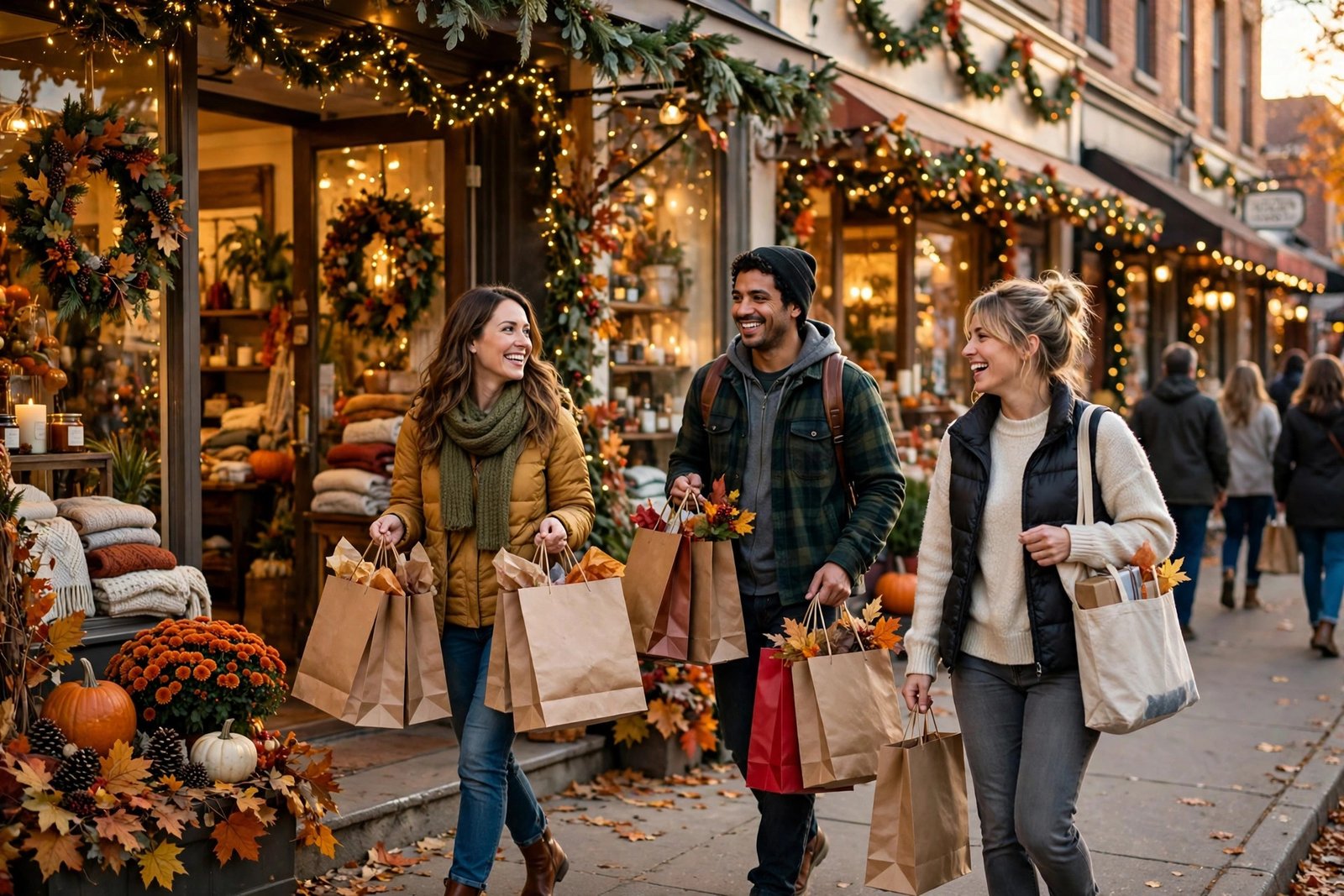
Holiday shopping used to follow a familiar rhythm. Families waited for the sales season to begin, made a list, and headed out in the weeks before the holidays to find gifts for the people they love. That rhythm is changing. More Americans are starting earlier, spreading their spending across more weeks, and blending online browsing with in-store visits in ways that reflect both tighter budgets and a desire to enjoy the season without a last-minute rush. The shift is not about losing the excitement of the holidays. It is about planning around prices, timing, and the realities of household budgets.
The latest outlook for the 2026 season helps explain why early shopping has become so common. The National Retail Federation forecasts that November-December 2026 retail sales will rise 4.2 percent from 2025 to 1.013 trillion dollars, measured as core retail excluding auto dealers, gas stations, and restaurants. Growth at that pace suggests steady, modest expansion rather than a boom, and it points to shoppers who are still buying but doing so carefully. For retailers, the forecast is a signal to prepare for a longer season. For shoppers, it is a reminder that the best approach may be to start early, compare prices, and keep spending spread out.
An Earlier Start to the Season
One of the clearest findings from the National Retail Federation survey is how many shoppers now begin before November. In a survey conducted from October 1 to 7, 2026, among 8,094 adults in the United States, carried out with Prosper Insights and Analytics, 43 percent of holiday shoppers said they plan to start browsing or buying before November, compared with 42 percent in 2025. Early shopping is no longer an exception for bargain hunters alone. It has become a mainstream habit.
Starting early gives shoppers several practical advantages. It allows time to research products, read reviews, and wait for a price that feels right rather than settling for whatever is left in stock during a busy final week. It also helps families avoid the stress of crowded stores and shipping deadlines, and it makes it easier to find the exact size, color, or version of a gift. For people buying for many relatives, friends, and colleagues, an early start turns a single overwhelming task into a series of smaller, more manageable choices spread across the fall.
Retailers have responded by stretching their own calendars. Promotions that once clustered around a single weekend now appear across many weeks, and online stores highlight early deals, gift guides, and shipping information well before November. That longer window benefits shoppers who are organized, but it also requires discipline. A deal is only a good deal if the item is truly wanted and the price fits the budget, and early shopping works best when it is guided by a list rather than by impulse.
Spreading Out Budgets and Chasing Value
Among shoppers who start early, the reasons are practical rather than purely festive. Half of early shoppers, 50 percent, say they start early to spread out their budgets, while 37 percent point to good prices and promotions. Those two motivations go hand in hand. Spreading spending across paychecks makes a large holiday total feel more manageable, and catching a promotion early can stretch the same budget further. Together, they describe a shopper who is thoughtful about money without giving up on generosity.
Budgeting for the holidays often begins with a simple question: how much can be spent in total, and how should that total be divided? Families who answer that question early can set limits for each person on their list, prioritize the gifts that matter most, and leave room for wrapping, shipping, and small extras that are easy to forget. Spreading purchases also reduces the risk of a single month carrying the entire cost, which can be especially helpful when other seasonal expenses arrive at the same time, from travel and hosting to winter clothing and home heating.
Value matters in this picture, but value means more than the lowest price. Shoppers look for quality that will last, for items that match the recipient’s tastes, and for purchases that feel meaningful rather than rushed. A well-chosen gift bought on promotion can feel more personal than a more expensive item bought at the last minute, because the early shopper had time to think about the person receiving it. That combination of planning and care is at the heart of the early-shopping trend.
The Economy Still Shapes Spending Plans
Even as shoppers plan to buy, many say the broader economy influences how they spend. According to the survey, 56 percent say the economy influences their spending plans. That finding does not mean shoppers are stopping altogether. It means they are weighing choices more carefully, comparing options, and thinking about trade-offs in a way that reflects real household pressures. When prices, jobs, and everyday costs feel uncertain, a holiday budget becomes one more place where caution makes sense.
That caution shows up in small decisions as much as in large ones. A shopper might choose a thoughtful, lower-priced gift over a luxury item, buy fewer extras, or look for free shipping and flexible returns before committing. Some families agree on spending limits in advance, or shift toward experiences, homemade gifts, and shared activities that cost less but carry personal meaning. Others keep their traditions intact but start earlier so they can find the same items at better prices. In each case, the goal is the same: celebrate well without creating financial stress that lasts into the new year.
Retailers and shoppers are both adapting to this mood. Stores emphasize value, transparency, and convenience, while shoppers reward retailers that make it easy to compare prices, check availability, and return an item if it does not work out. The result is a season that feels less about urgency and more about steady, considered buying, with the most successful purchases being those that were planned rather than panicked.
Thanksgiving Weekend Still Matters
Early shopping has not replaced the traditional peak of the season. The survey finds that 64 percent of shoppers are likely to wait until Thanksgiving weekend for most of their purchases. That weekend remains a cultural and commercial landmark, a time when families are together, stores offer major promotions, and many people use days off work to shop in earnest. For those shoppers, early browsing may still happen, but the main buying waits for the deals and the atmosphere of the holiday weekend itself.
Thanksgiving weekend shopping looks different from how it looked in the past. Many shoppers now research online first, check store hours and inventory from home, and mix online orders with in-store trips. Some prefer the energy of a busy store and the chance to see products in person, while others prefer to shop from home and avoid crowds altogether. Both approaches can work, and the best choice often depends on the item, the recipient, and the shopper’s schedule. Planning the weekend in advance, with a list and a budget already in hand, helps either style stay enjoyable rather than overwhelming.
The persistence of Thanksgiving weekend as a buying peak also matters for retailers, who staff stores, stock inventory, and plan promotions around it. Shoppers who wait for that weekend should still watch for early signals, such as price trends and availability, so they are not surprised if a popular item sells out. A little early research, even without early buying, can make the weekend itself smoother and more successful.
Online Shopping and the Gift Card Habit
Online shopping continues to be a major part of the holiday season, with 53 percent of shoppers saying they plan to shop online. The appeal is clear: a wider selection, easy price comparison, reviews from other buyers, and delivery to the home or directly to the recipient. For shoppers in rural areas, for people with busy schedules, and for anyone buying for relatives far away, online shopping removes barriers that once made holiday buying harder.
At the same time, online shopping rewards the same habits as early shopping: planning, comparison, and attention to shipping times and return policies. Checking delivery estimates before ordering, confirming the seller, and keeping order confirmations organized can prevent the small frustrations that turn a good gift into a hassle. Many shoppers now use a mix of channels, browsing online and buying in store, or buying online and picking up locally, choosing whichever option fits each gift best.
When it comes to what people actually want, gift cards remain at the top of wish lists, named by 47 percent of respondents, followed by clothing at 44 percent. Gift cards are popular for a simple reason: they let the recipient choose exactly what they want, and they remove the risk of buying the wrong size or style. For givers, they are easy to buy, easy to send, and easy to fit into a budget. Clothing remains a close second, reflecting a classic holiday gift that feels personal when the giver knows the recipient’s taste. Together, the two categories show a season built around practical generosity: gifts that are useful, wanted, and easy to enjoy.
Making the Most of the 2026 Season
The picture for 2026 is one of steady spending, earlier planning, and careful value-seeking. Shoppers who start with a list, set a total budget, and spread purchases across the fall are well positioned to enjoy the season without overspending. Checking prices across retailers, watching for promotions without being driven by them, and leaving time for shipping and returns are small habits that add up to a calmer holiday experience.
It also helps to remember that the holidays are about connection as much as consumption. A gift chosen with thought, a card written by hand, time spent together, and traditions shared with family and friends often matter more than the price tag. Early shopping, at its best, creates space for those things by removing the rush from December and leaving room for celebration itself. For readers who want more detail on how affordability is shaping plans this year, coverage of the survey findings offers a useful overview of affordability and holiday shopping plans, while a separate report on projected holiday retail sales growth places the forecast in a broader retail context.
Frequently Asked Questions
What is the holiday sales forecast for 2026?
The National Retail Federation forecasts November-December 2026 retail sales up 4.2 percent from 2025 to 1.013 trillion dollars, measured as core retail excluding auto dealers, gas stations, and restaurants.
How many shoppers start before November?
According to the survey, 43 percent of holiday shoppers plan to start browsing or buying before November, compared with 42 percent in 2025.
Why do early shoppers start early?
Among early shoppers, 50 percent cite spreading out their budgets and 37 percent cite good prices or promotions as reasons for starting early.
Do most shoppers still wait for Thanksgiving weekend?
Yes, 64 percent say they are likely to wait until Thanksgiving weekend for most of their purchases, even as early shopping grows.
What tops holiday wish lists?
Gift cards top wish lists at 47 percent, followed by clothing at 44 percent, according to the survey.
How many shoppers plan to shop online?
About 53 percent plan to shop online, reflecting the continued importance of online browsing, comparison, and delivery during the holidays.