
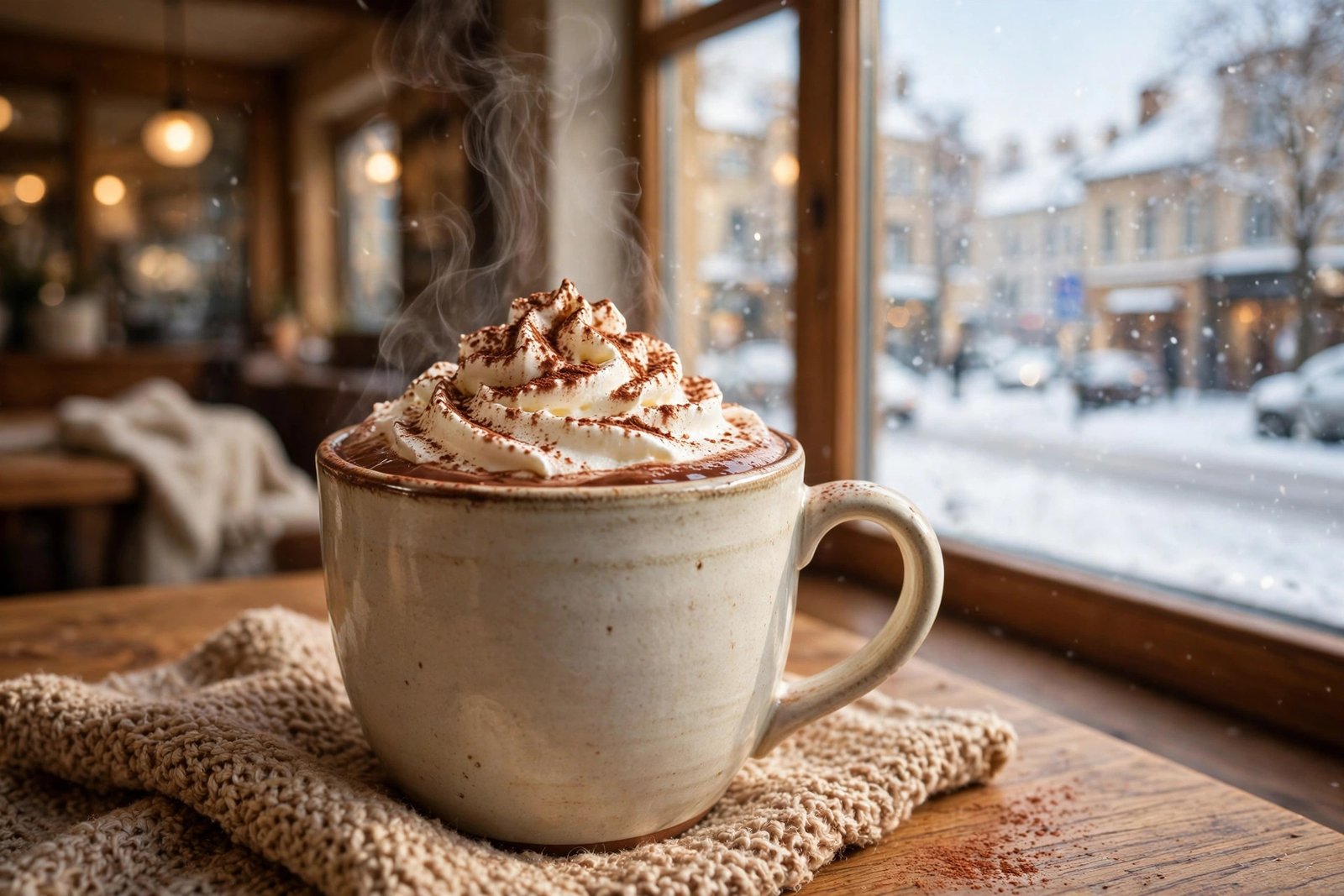
There is no drink that says winter in America quite like hot chocolate. It is the cup you wrap your hands around after coming in from the cold, the treat at the end of a long day of holiday shopping, and the excuse to linger a little longer in a warm cafe while snow falls outside the window. From a powdered mix stirred into hot water in a kitchen at home to a spoon-thick drinking chocolate in a Boston cafe, hot chocolate in America covers a whole spectrum, and the best cups are worth seeking out. This winter, whether you are planning a trip to New York, Boston, or Chicago, or simply want to make a better cup at home, here is your guide to the coziest cups in the country.
A drink with thousands of years of history
Hot chocolate is far older than the winter holidays it is now tied to. Cacao drinks were being prepared in Mesoamerica more than 3,000 years ago, and the Olmec people are believed to have been among the first to turn cacao beans into a drink, using them in ceremonies. The Maya who followed revered cacao, drinking it at celebrations and important occasions, while the Aztecs called their version xocolatl and valued cacao beans so highly that they were used as currency. According to the History channel’s account of chocolate’s past, Aztec cacao beans were considered more valuable than gold, and the drink was flavored with chili peppers and spices rather than sugar. When chocolate reached Spain in the 1500s, Europeans added sugar and milk, and the bitter ceremonial drink slowly became the sweet, creamy comfort we know today. The Smithsonian Magazine history of chocolate notes that for most of chocolate’s long history it was strictly a beverage, with the solid chocolate bar arriving much later. Knowing that history makes every winter cup feel a little richer: you are drinking something people have treasured for millennia.
What makes a great cup of hot chocolate
Not all hot chocolate is created equal, and the difference between a forgettable cup and a memorable one usually comes down to a few simple things. First is the chocolate itself. The best cups are made from real melted chocolate rather than cocoa powder alone, which gives the drink body and a deep, layered flavor. Dark chocolate brings bitterness and complexity, milk chocolate brings sweetness and creaminess, and white chocolate brings a buttery richness that works beautifully with vanilla and spices. Second is the liquid. Whole milk is the classic choice because its fat carries flavor and creates a silky texture, while a splash of cream makes the drink even more indulgent. Water-based versions can work, but they tend to taste thinner. Third is temperature and patience. Chocolate should be melted gently and whisked until smooth, never boiled, because overheating can make the drink grainy and dull the flavor. Finally, there is balance. A pinch of salt sharpens the chocolate flavor, a little sugar rounds it out, and spices such as cinnamon, nutmeg, or a touch of chili add warmth without taking over. The best cafes understand all of this, which is why their cups taste like something you could never quite reproduce from a packet.
Serendipity 3, New York City: the frozen legend
No list of great American hot chocolate can skip Serendipity 3, the beloved Upper East Side restaurant at 225 East 60th Street in Manhattan. Open since 1954, Serendipity 3 is home to the Frrrozen Hot Chocolate, a thick, icy blend made from a secret mix of 14 kinds of cocoa, served in a big goblet under a mountain of whipped cream. It is not a milkshake and not quite a cold drink either; it is its own category, intensely chocolatey and somehow refreshing at the same time. The drink has famous fans: former First Lady Jackie Kennedy loved it so much that she asked for the recipe so it could be served at the White House, and was turned down. As Tasting Table recounts, the recipe stayed secret until founder Stephen Bruce shared it publicly in 2004. By 2018 the restaurant had sold 25 million Frrrozen Hot Chocolates, and more recent reports put the total past 30 million. A second location opened in Times Square in September 2024, but the original Upper East Side shop remains the one to visit, ideally in winter, when the contrast between the cold drink and the cozy, lamp-lit dining room feels just right. The TravelMag profile of Serendipity 3 describes the menu’s many variations, from peanut butter and mint to salted caramel and birthday cake, so there is a version for every taste.
Jacques Torres Chocolate, New York City: the chocolatier’s cup
Across the East River in Brooklyn, Jacques Torres Chocolate offers a very different but equally serious take on hot chocolate. Torres, known as Mr. Chocolate, is a French-born master chocolatier who opened his first New York chocolate shop in 2000, and his DUMBO flagship at 66 Water Street sits a short walk from the waterfront. His hot chocolate is made from real melted chocolate, never cocoa powder, and it drinks like a melted chocolate bar: thick, velvety, and intensely flavored. The Classic version is the purist’s choice, while the Wicked version adds allspice, cinnamon, and ground ancho and chipotle chiles for a slow-building warmth that suits a cold day perfectly. There are also seasonal flavors and a Snowball version topped with ice cream. Torres has additional shops around the city, including one in Grand Central Terminal, so a cup is never far away when you are out in the winter cold. Pair it with one of the shop’s famous chocolate chip cookies, which many New Yorkers consider among the best in the city, and you have a proper winter afternoon.
L.A. Burdick, Boston and Cambridge: drinking chocolate, New England style
Boston may be the American capital of serious hot chocolate, and L.A. Burdick is the reason. When New Hampshire chocolate maker Larry Burdick opened his first Boston-area shop in 1999, he introduced the city to a European style of hot chocolate that most Americans had never tasted: chocolate ganache thinned with just a little steamed milk, so thick and rich that the shop calls it Drinking Chocolate rather than hot chocolate. As New England Magazine’s guide to Boston hot chocolate puts it, the dark chocolate blend is almost as thick as pudding, with flavors more intense than anything from a packet. The shop offers dark, milk, and white chocolate blends, plus single-origin varieties made from beans from places such as Bolivia, Grenada, and Brazil, and a spicy dark version for those who like heat. The two best-known locations are the Harvard Square shop at 52 Brattle Street in Cambridge and the Back Bay shop at 220 Clarendon Street in Boston, with a third shop in Brookline. Seating is limited and the cafes are cozy in the European sense, which is to say small, so go on a weekday if you can, order a small cup, and take your time. A little goes a long way, and that is exactly the point.
Chicago: a city that takes hot chocolate seriously
Chicago winters are famously cold, and the city has answered with some of the best hot chocolate in the country. At Vosges Haut-Chocolat, the Chicago luxury chocolate maker founded in 1998 by Katrina Markoff, the hot chocolate is as creative as the truffles. The company’s Chocolate Temple boutique on Oakley Avenue serves a rich and creamy hot chocolate made with Tahitian vanilla, along with a white hot chocolate that regulars swear by. Vosges is known for unusual flavor combinations, so expect the unexpected. Then there is Xoco, chef Rick Bayless’s Mexican street-food spot, where the chocolate drinks are made the traditional Mexican way: cocoa beans shipped from Tabasco are roasted in-house and turned into smooth paste and bars. The result is a cup with real depth and a gentle spice that warms you from the inside. As Enjoy Illinois, the state’s tourism site, notes, Chicago’s best spots increasingly call their drink drinking chocolate, using whole-bean chocolate instead of cocoa powder. Finally, do not miss Mindy’s Bakery in Wicker Park, at 1623 North Milwaukee Avenue. Pastry chef Mindy Segal, a James Beard Award winner, ran the beloved Mindy’s Hot Chocolate restaurant from 2005 until it closed in 2020, and her bakery, opened in 2022, still serves the thick, highly drinkable classic hot chocolate that made her famous, topped with an excellent housemade marshmallow. The Infatuation’s Chicago hot chocolate guide calls it sweet but not cloying, and the marshmallow alone is worth the trip.
Regional styles to try across America
Beyond the famous cafes, hot chocolate in America has wonderful regional personalities. In the Southwest and in Mexican-American communities across the country, champurrado is a winter favorite: a thick, warm drink made from masa, chocolate, and cinnamon, often served at holiday gatherings and posadas. In New Mexico, a little red chile can find its way into the cup, echoing the state’s famous chile culture. In the Northeast, the European drinking-chocolate tradition rules, with small, intense cups meant to be sipped slowly. In the South, hot chocolate often leans sweeter and creamier, sometimes topped with a cloud of whipped cream and served alongside holiday baking. In California, cafes experiment with single-origin beans, oat milk, and flavors such as sea salt caramel and orange. And everywhere, the holiday season brings peppermint versions, often made with crushed candy canes, that taste like December itself. The fun of a hot chocolate winter is that there is no single right way to make it. Try the local style wherever you travel, ask what makes it different, and you will learn something about the place as well as the drink.
How to make the perfect cup at home
You do not need a plane ticket to drink well this winter. A great homemade hot chocolate starts with good chocolate: chop a quality dark chocolate bar, roughly 60 to 70 percent cacao, and melt it gently into warm whole milk, whisking constantly. Use about two ounces of chocolate per cup of milk for a rich result, and add sugar only to taste, since the chocolate already brings sweetness. A pinch of salt is the secret ingredient most home cooks skip; it makes the chocolate taste more like itself. Warm the milk over medium-low heat and never let it boil. Once the chocolate is fully melted and the drink is smooth, take it off the heat and add your extras: a splash of vanilla, a cinnamon stick stirred through the cup, a little orange zest, or a pinch of cayenne for a Mexican-inspired kick. For toppings, homemade whipped cream beats the canned kind every time, and a few chocolate shavings or a dusting of cocoa on top makes the cup feel special. If you want a lighter version, use half milk and half water, or try oat milk, which froths nicely and adds a gentle sweetness. Make a big pot for a family movie night, set out a toppings bar with marshmallows, crushed peppermint, and caramel sauce, and let everyone build their own. The best hot chocolate is the one you make your own.
Planning a hot chocolate winter
A few practical tips will make your hot chocolate adventures better. Go early or on weekdays when visiting famous cafes, since the popular ones fill up fast on winter weekends. Order the smallest size at drinking-chocolate shops, because the richest cups are meant to be savored, not gulped. Ask for a taste before committing if the shop offers samples, and do not be shy about asking what makes their version special; chocolatiers love to talk about their craft. If you are traveling, check opening hours before you go, since small independent shops can have seasonal hours. And remember that hot chocolate pairs beautifully with winter activities: a cup after ice skating, a cup before a holiday market, a cup shared with friends after a walk through the lights. That is the real magic of the drink. It slows you down, warms you up, and gives you a reason to gather. This winter, make room for a few great cups. Your cold hands will thank you.
Related reading
Keep the winter fun going with more seasonal guides from Famus News: Best Ice Skating Rinks in the USA, American Christmas Markets 2026 Guide, and The Christmas Cookie Exchange Tradition in the USA.
Frequently asked questions
What is the difference between hot chocolate and drinking chocolate?
Hot chocolate is usually made from cocoa powder mixed with milk or water, while drinking chocolate is made from melted real chocolate, often with just a little milk. Drinking chocolate is thicker, richer, and more intense, and it is usually served in smaller cups.
What is the most famous hot chocolate in America?
The most famous is probably the Frrrozen Hot Chocolate at Serendipity 3 in New York City, served since 1954 and made from a secret blend of 14 cocoas. For a classic hot cup, the drinking chocolate at L.A. Burdick in Boston and the Wicked hot chocolate at Jacques Torres in New York are also widely celebrated.
Is hot chocolate better with milk or water?
Milk gives hot chocolate a richer, creamier texture and helps carry the chocolate flavor, which is why most cafes use whole milk. Water makes a lighter, more intense cup that lets the chocolate itself shine, and it is the traditional choice for some Mexican and European styles. Try both and see which you prefer.
How can I make hot chocolate taste richer at home?
Use real chopped chocolate instead of cocoa powder, warm whole milk gently without boiling it, add a pinch of salt, and whisk until smooth. A splash of vanilla or a cinnamon stick adds depth, and homemade whipped cream on top makes the cup feel like a cafe treat.
What flavors go well in hot chocolate?
Cinnamon, nutmeg, vanilla, and orange zest are classic choices. Peppermint is a holiday favorite, while chili and cayenne give a Mexican-inspired warmth. Caramel, sea salt, and even a little espresso also pair beautifully with chocolate.