
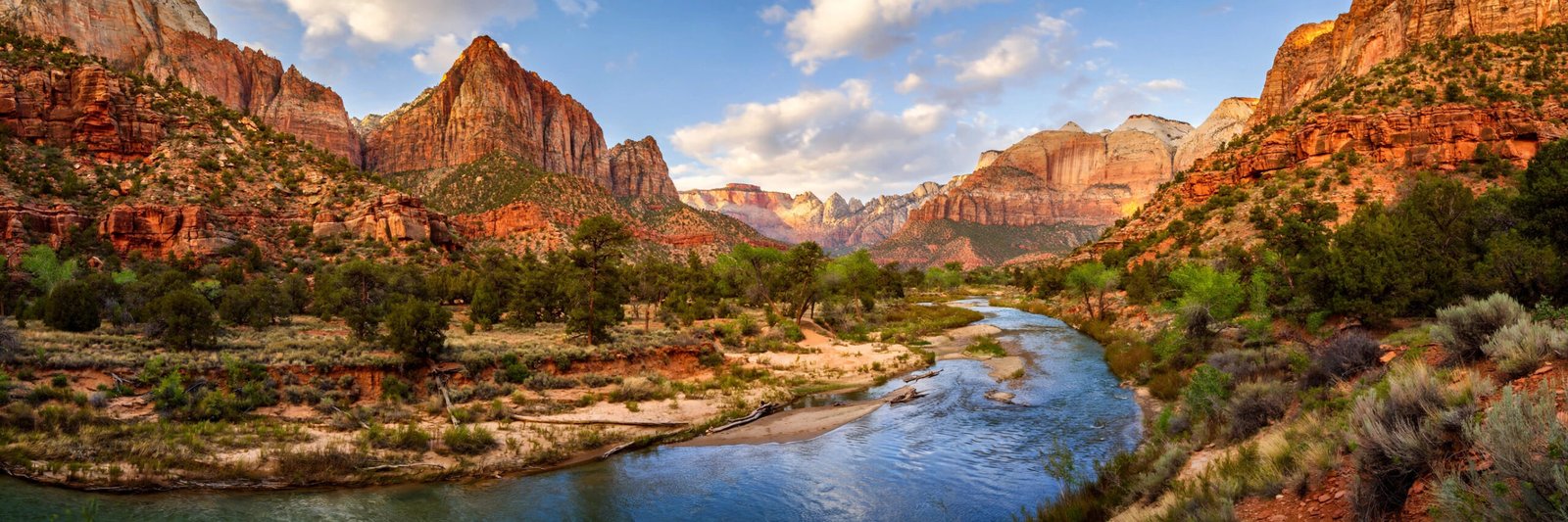
America’s national parks hold a special place in the country’s imagination. They are places of towering mountains and deep canyons, of deserts and forests, of coastlines and islands, and of stories that stretch back through generations. For many travelers, visiting a national park is a rite of passage, a chance to stand in a landscape that feels larger than everyday life and to understand something essential about the natural heritage of the United States. Yet the phrase national park can be confusing, because not every unit managed by the National Park Service carries that exact designation.
Within the wider National Park System, which includes more than 400 units, only 63 sites carry the official designation of national park. Those 63 parks are the subject of this guide. They span the country from coast to coast and beyond, offering an extraordinary range of landscapes, climates, wildlife, and human history. Together, they form a collection that rewards both the traveler planning a single trip and the dreamer imagining a lifetime of exploration. Understanding how the system works, how it began, and what makes each region distinct is the first step toward enjoying it well.
What Counts as a National Park
The National Park System includes many kinds of places: national monuments, historic sites, battlefields, recreation areas, seashores, and more. Each type has its own purpose and character, and all are important. The designation of national park, however, is reserved for a specific group of large, nationally significant natural areas that Congress has chosen to recognize with that title. That distinction matters for travelers because it explains why a beloved historic site or monument may be part of the system without appearing on a list of national parks.
The 63 national parks share a common mission of preservation and public enjoyment, but they differ enormously in landscape and experience. Some are defined by mountains and glaciers, others by deserts, canyons, forests, or coastlines. Some are easily reached by car and offer lodges, campgrounds, and visitor centers. Others are remote, requiring careful planning, flights, boats, or long drives. That variety is part of the appeal. There is no single national park experience, only a family of places united by the idea that America’s most remarkable landscapes should be protected and shared.
For visitors, the practical lesson is to research each park individually. Entrance requirements, seasonal access, lodging, and activities vary widely. A park that is ideal for a summer road trip may be difficult to visit in winter, and a park known for hiking may also offer boating, wildlife viewing, stargazing, or cultural programs. Planning around the specific park, rather than assuming all parks work the same way, leads to better trips and a deeper appreciation of what makes each place unique.
Yellowstone: Where It All Began
The story of America’s national parks begins with Yellowstone, which was established on March 1, 1872, as the first national park. That decision was groundbreaking. It set aside a vast landscape of geysers, hot springs, rivers, canyons, and wildlife for public benefit, at a time when the idea of protecting land in this way was still new. Yellowstone became a model that other countries would later follow, and it remains one of the most iconic parks in the system.
Yellowstone’s significance goes beyond its status as first. Its geothermal features, including geysers and colorful hot springs, are unlike anything else in the country, and its wildlife, forests, and rivers create an ecosystem of remarkable scale. Visitors come for the geysers, but they stay for the broader landscape: valleys where wildlife roams, waterfalls that plunge into canyons, and lakes that reflect mountain skies. Yellowstone also teaches an important lesson about national parks as living landscapes, shaped by geology, fire, water, and time, and cared for through science and stewardship.
Visiting Yellowstone well means planning for its size and seasons. The park is large, roads and facilities operate on seasonal schedules, and wildlife viewing requires patience and safe distances. Travelers who allow several days, who check current conditions, and who explore beyond the most famous viewpoints often come away with a richer sense of the park. Yellowstone rewards curiosity, whether that curiosity leads to a boardwalk around a hot spring, a trail through a meadow, or a quiet moment beside a river at dawn.
The Newest Park: New River Gorge
At the other end of the timeline sits New River Gorge in West Virginia, designated on December 27, 2020, as the 63rd national park. Its designation marked the most recent addition to the list and brought national park status to a landscape long loved for its river, gorge, forests, and outdoor recreation. The New River itself is one of the region’s defining features, cutting through the Appalachian landscape and creating cliffs, rapids, and valleys that attract paddlers, climbers, hikers, and anglers.
New River Gorge shows that the national park idea is still growing. New parks are not designated lightly, and each addition reflects a judgment that a landscape holds national significance and deserves the highest level of recognition within the system. For West Virginia, the designation brought new attention to a region already rich in natural beauty and outdoor culture. For travelers, it offers a park that combines river adventure with forested trails, historic coal-country stories, and small-town gateways that welcome visitors year-round.
The park also illustrates how national parks can serve both preservation and recreation. Visitors can experience the gorge from the water, from overlooks, and from trails that wind through forests and along the river. At the same time, the park protects the river ecosystem, the gorge landscape, and the cultural heritage of the communities that grew up around it. That balance between use and protection is at the heart of the national park mission.
From Alaska to Florida: A Coast-to-Coast Collection
America’s 63 national parks span 30 states and two territories, American Samoa and the US Virgin Islands. That geographic spread means the collection includes Arctic and tropical landscapes, high mountains and low deserts, Atlantic and Pacific coastlines, and island parks that can only be reached by boat or plane. No single trip can capture the whole system, but even a short list of examples shows its range.
In the East, Acadia in Maine offers rugged coastline, granite peaks, and forested trails where the Atlantic meets the mountains. Great Smoky Mountains, which straddles North Carolina and Tennessee, is known for misty ridges, diverse forests, and a deep sense of Appalachian heritage. Everglades in Florida presents a completely different world of wetlands, slow-moving water, and wildlife adapted to a subtropical landscape. Each of these parks feels distinct, yet each belongs to the same national story.
In the West, Grand Canyon in Arizona needs little introduction, with its immense canyon carved by the Colorado River and layered rock that records vast stretches of geological time. Yosemite in California is famed for granite cliffs, waterfalls, and giant sequoias, while Zion in Utah offers towering sandstone cliffs and narrow canyons. Olympic in Washington combines mountains, rainforest, and coastline in a single park, showing how varied a single protected area can be. In Alaska, Denali rises above tundra and taiga, while Wrangell-St. Elias, the largest national park, encompasses a vast wilderness of mountains, glaciers, and valleys on a scale that is difficult to grasp until seen in person.
Planning Your National Park Journey
Planning a national park trip begins with choosing the right park for the season, the interests, and the travel style of the group. Families with young children may prefer parks with accessible trails, ranger programs, and lodges. Hikers may seek parks with long backcountry routes. Wildlife lovers may prioritize parks known for viewing opportunities, while photographers may plan around light, seasons, and landscapes. There is no wrong starting point, only a need to match the park to the trip.
Practical planning also matters. Checking official park information for road conditions, closures, permits, and reservation requirements can prevent disappointment, especially for popular parks where campgrounds and lodges book early. Weather varies dramatically across the system, from desert heat to mountain snow, and packing appropriately is part of enjoying the visit safely. Visitors should also learn about wildlife safety, leave-no-trace principles, and the importance of staying on trails and respecting closures, all of which protect both people and the parks themselves.
For travelers building a longer list, resources that gather the parks in one place can be helpful for comparison and inspiration. A comprehensive list of national parks helps readers see the full collection at a glance, while a map-based overview of national parks maps and a detailed national parks list offer different ways to explore names, locations, and regions before choosing a destination. Used together with official park information, these resources can turn a vague dream of visiting the parks into a concrete plan.
Travelers who hope to visit many parks over time often keep a simple list of places they have seen and places they still wish to see. That list becomes a personal travel story in itself, shaped by seasons, companions, and the landscapes that left the strongest impression. Whether the next trip is near home or far away, the collection offers a reason to keep exploring.
Frequently Asked Questions
How many national parks are there in the United States?
There are 63 sites that carry the official national park designation, within the wider National Park System of more than 400 units.
Which was the first national park?
Yellowstone was the first national park, established on March 1, 1872.
Which is the newest national park?
New River Gorge in West Virginia is the newest, designated on December 27, 2020, as the 63rd national park.
Which is the largest national park?
Wrangell-St. Elias in Alaska is the largest national park.
How many states and territories have national parks?
The parks span 30 states and two territories, American Samoa and the US Virgin Islands.
Does Great Smoky Mountains lie in one state?
No, Great Smoky Mountains straddles North Carolina and Tennessee.